
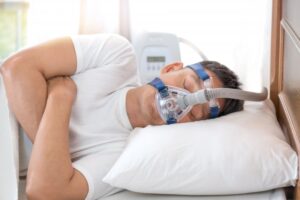
If you or a loved one struggles with sleep apnea, you may be searching for simple ways to improve breathing at night. One common question is whether sleeping in a recliner—or at an incline—can help reduce symptoms. While it’s not a cure, changing your sleep position may offer some relief for certain individuals.
Understanding Sleep Apnea
Sleep apnea is a condition in which breathing repeatedly stops and starts during sleep. The most common type, obstructive sleep apnea (OSA), occurs when the airway becomes partially or fully blocked as throat muscles relax. According to the American Sleep Apnea Association, untreated sleep apnea can increase the risk of high blood pressure, heart disease, and daytime fatigue.
Because airway collapse often worsens when lying flat on your back, body position plays a significant role in symptom severity.
How Elevation Can Help
Sleeping in a recliner keeps your upper body elevated. This incline may help reduce the effects of gravity on the airway, making it less likely to collapse during sleep. For some people with mild to moderate obstructive sleep apnea, this position can decrease snoring and breathing interruptions.
Elevation may also reduce acid reflux, which can worsen nighttime breathing issues. If reflux contributes to airway irritation, sleeping at an incline may provide additional comfort.
Is It a Long-Term Solution?
While sleeping in a recliner can improve symptoms for some individuals, it is typically not considered a long-term treatment for moderate to severe sleep apnea. Continuous Positive Airway Pressure (CPAP) therapy remains the gold standard treatment. CPAP machines deliver a steady stream of air to keep the airway open throughout the night.
Other options may include oral appliance therapy provided by a dentist, weight management, or, in certain cases, surgery.
Potential Downsides
Although reclining can help breathing, it may cause neck, back, or hip discomfort if the chair does not provide proper support. Poor sleep posture can lead to stiffness or pain over time, potentially affecting overall sleep quality.
It’s also important to ensure the recliner allows you to maintain a neutral head and neck position to avoid straining your airway or spine.
If you suspect you have sleep apnea—especially if you experience loud snoring, gasping during sleep, or excessive daytime sleepiness—it’s important to seek a professional evaluation. A sleep study can determine the severity of your condition and guide appropriate treatment. Sleeping in a recliner may offer temporary relief, but addressing the underlying cause of sleep apnea is essential for protecting your long-term health and achieving truly restorative sleep.
About the Practice
Do you suspect that you suffer from sleep apnea? You’re not alone; so do millions of Americans. Here at Healthy Sleep in Tulsa, treating sleep apnea and giving you back your precious rest is our number one priority. We offer oral appliances that’ll keep your airway open so you can get deep, restorative sleep. There’s no reason to suffer. Contact us online for an appointment or call (918) 300-4325.