
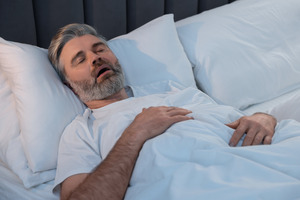
Sleep apnea diagnoses have been growing increasingly more common in recent years. In fact, one study in The Lancet Repository Medicine estimates that around 76.6 million people could suffer from sleep-disordered breathing by 2050. What factors are contributing to this rising health issue? And what can you do to protect the quality of your sleep?
What Exactly is Sleep Apnea?
Sleep apnea causes you to experience repeated pauses in your breathing while you’re asleep. In most cases, this is due to the muscles in the throat becoming overly relaxed, thereby causing soft tissues to collapse and obstruct the airway. Each interruption in breathing forces the brain to wake the body up, which can make it extremely difficult to get enough quality sleep.
Factors Contributing to the Rise of Sleep Apnea
The rise of sleep apnea rates in recent years can be partially attributed to the fact that there is greater awareness of the disorder in general. That said, there are other factors that are playing a role in making sleep-disordered breathing more common.
For example, obesity rates around the world have been going up. This is significant because being overweight can dramatically increase your chances of developing sleep apnea. Excess fat deposits in the neck can potentially contribute to a narrower airway that is more easily obstructed.
On top of that, people nowadays are living longer than ever before. Generally speaking, older adults are at a higher risk for sleep apnea due to the muscles in the throat losing tone with age.
How Can You Protect Yourself from Sleep Apnea?
If you want to protect yourself from sleep apnea, then it’s important to be able to recognize the warning signs of the disorder. Sleep apnea is often associated with loud snoring, excessive tiredness during the day, repeatedly waking up during the night gasping for air, and trouble focusing.
If you suspect that you might have sleep apnea, you should make arrangements to have a sleep study performed so that the issue can be properly diagnosed. Once it has been confirmed that you have sleep apnea, you can pursue an appropriate form of treatment. In many cases, this can mean wearing an oral appliance that helps keep your airway open by repositioning your lower jaw and/or holding your tongue in place.
You might also be able to improve sleep apnea symptoms by making certain lifestyle changes. If your sleep apnea is linked to obesity, then losing weight can often help. On top of that, you might consider changing your sleeping position; sleeping on your back can worsen sleep apnea, so it may be beneficial to switch to sleeping on your side.
With sleep apnea on the rise, it’s more important than ever to keep an eye out for signs of sleep-disordered breathing. The sooner the issue is identified and treated, the sooner you’ll be able to enjoy more restful nights again.
About the Practice
At Healthy Sleep Tulsa, our sleep dentists are dedicated to helping patients find relief from sleep-disordered breathing. We utilize advanced diagnostic technology, such as a CBCT scanner and a pharyngometer. On top of that, we offer multiple types of oral appliances that can be expertly customized for each patient’s mouth in order to meet their specific needs. If you require help getting sleep apnea under control, you can schedule an appointment at our practice by visiting our website or calling (918) 300-4325.