
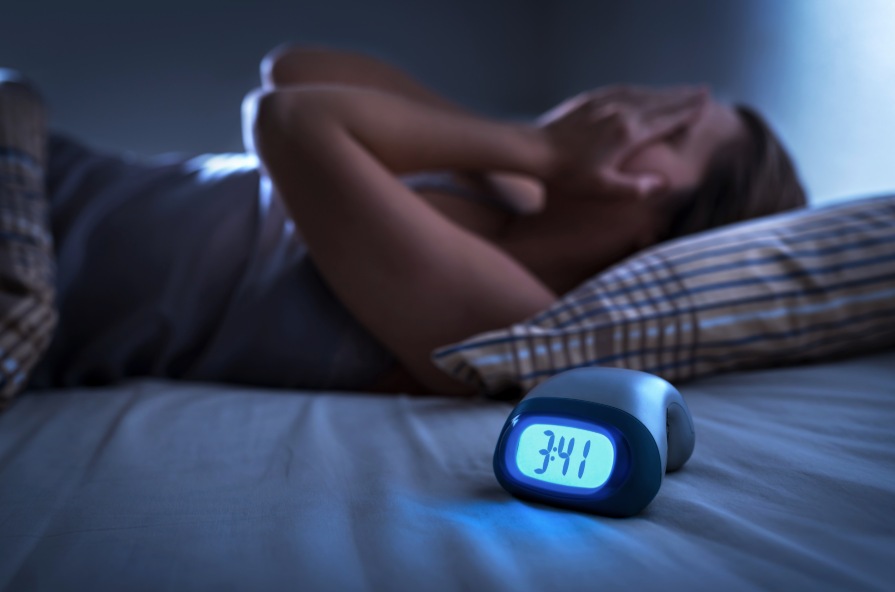
Sleep apnea is a condition where breathing repeatedly stops and starts during sleep. The most common form, obstructive sleep apnea, occurs when the airway becomes blocked, often due to relaxed throat muscles.
These interruptions may only last a few seconds, but they can happen dozens—or even hundreds—of times per night. As a result, your body is constantly being pulled out of deep, restorative sleep, even if you don’t fully wake up or remember it happening.
Why Treatment Matters
It’s easy to dismiss sleep apnea as just loud snoring or poor sleep, but the effects go far beyond feeling tired. When left untreated, sleep apnea puts significant strain on the body over time, increasing the risk of serious health complications.
Because oxygen levels drop during these breathing pauses, your organs and systems don’t get the steady supply they need to function properly. This ongoing stress can lead to both short-term symptoms and long-term health risks.
Heart Problems and High Blood Pressure
One of the most serious consequences of untreated sleep apnea is its impact on heart health. Frequent drops in oxygen levels can increase blood pressure and strain the cardiovascular system.
Over time, this raises the risk of developing high blood pressure, as well as more serious issues like heart disease and stroke. The repeated stress caused by interrupted breathing can also lead to irregular heart rhythms, which may require medical intervention.
Daytime Fatigue and Cognitive Issues
Because sleep apnea disrupts deep sleep, many people experience ongoing fatigue during the day. This isn’t just about feeling a little tired—it can affect your ability to concentrate, make decisions, and stay alert.
Untreated sleep apnea has been linked to memory problems, mood changes, and difficulty focusing. It can also increase the risk of accidents, especially while driving or operating machinery, due to slower reaction times and reduced alertness.
Increased Risk of Chronic Conditions
Sleep apnea doesn’t just affect your sleep—it can contribute to other chronic health problems as well. For example, it has a strong connection with type 2 diabetes, as poor sleep and oxygen deprivation can affect how your body processes insulin.
Weight gain is another common issue. Sleep deprivation can disrupt hormones that regulate hunger, making it harder to maintain a healthy weight. This can create a cycle where excess weight worsens sleep apnea symptoms.
Mental Health and Quality of Life
The effects of untreated sleep apnea can also take a toll on your mental well-being. Chronic fatigue, combined with disrupted sleep patterns, can contribute to irritability, anxiety, and even depression.
Relationships may suffer as well, especially if loud snoring or restless sleep affects a partner’s ability to rest. Over time, the overall quality of life can decline as both physical and emotional health are impacted.
Don’t Ignore the Warning Signs
Common symptoms of sleep apnea include loud snoring, gasping for air during sleep, morning headaches, and excessive daytime sleepiness. If you or someone close to you notices these signs, it’s important to seek evaluation and treatment.
The good news is that sleep apnea is manageable with the right care. From lifestyle changes to medical devices, there are effective solutions that can help restore healthy sleep patterns and protect your long-term health.
Taking action early can make a significant difference in how you feel and function every day. Your sleep plays a vital role in your overall health—don’t overlook it.
About the Practice
Healthy Sleep Tulsa is dedicated to helping patients improve their sleep and overall well-being through personalized care. Our sleep experts focus on diagnosing and treating sleep apnea using comfortable, effective solutions tailored to each individual. With a patient-centered approach and a commitment to education, the team works to help patients achieve better sleep and long-term health.
Call us at (918) 300-4325 or schedule your appointment online.