




Questions About Sleep and Airway Care Patients and Parents Commonly Ask
Questions About Sleep and Airway
Care Patients and Parents Commonly Ask
Sleep apnea treatment often involves both medical and dental care. Our Tulsa dentists provide dental sleep medicine and help patients understand how sleep testing, a medical diagnosis, and oral appliance therapy fit together. We’ll explain which steps apply to your situation and coordinate with your other providers when needed.


Common signs of obstructive sleep apnea include loud snoring, gasping during sleep, witnessed pauses in breathing, daytime sleepiness, morning headaches, dry mouth, difficulty concentrating, and waking without feeling refreshed. Not everyone experiences the same symptoms, and snoring alone does not prove that sleep apnea is present. If your symptoms raise concern, a sleep study can provide the objective information needed for an appropriate medical provider to make a diagnosis.
No. Some people have primary snoring without obstructive sleep apnea, but frequent snoring can also be a warning sign of OSA. Snoring warrants more attention when accompanied by gasping, witnessed breathing pauses, daytime exhaustion, morning headaches, or poor concentration. Healthy Sleep Tulsa can help you determine whether sleep testing is appropriate, rather than treating persistent snoring without first considering whether a sleep-related breathing disorder is involved.
Sleep apnea is diagnosed through appropriate medical evaluation and sleep testing, not through a dental examination or online questionnaire alone. Healthy Sleep Tulsa can help coordinate a home sleep study when appropriate, but an appropriate medical provider interprets the results and makes the diagnosis. Once obstructive sleep apnea is diagnosed, our team can evaluate whether dental sleep treatment is appropriate for your care plan.
Some adults with obstructive sleep apnea may be candidates for a custom oral appliance when they cannot tolerate CPAP or prefer an alternative, and that approach is appropriate for their diagnosis. CPAP remains an important treatment and may be the better option for some patients. Our oral appliance therapy process includes individualized fitting, adjustment, monitoring, and follow-up testing, rather than assuming a single treatment works for everyone.
Custom oral appliances are designed specifically for the patient’s teeth and bite, but there can be an adjustment period. Some patients experience temporary tooth tenderness, jaw soreness, changes in saliva, or changes in how the bite feels. Regular follow-up allows our doctors to monitor these concerns and adjust treatment when appropriate. A professionally managed appliance differs from a generic snoring mouthpiece purchased online because ongoing dental oversight is part of the care.
There is no single lifespan that applies to every oral appliance. Wear can vary based on appliance design, nighttime grinding, how consistently it is used, changes in the teeth or bite, and how the device is cared for. During follow-up visits, our team evaluates the appliance’s condition and fit to identify signs of wear or changes that may affect treatment. Replacement recommendations are based on the individual patient rather than a fixed schedule.
Follow-up sleep testing helps determine whether an oral appliance is effectively treating diagnosed obstructive sleep apnea. Less snoring or improved energy can be encouraging, but symptoms alone cannot show everything happening with breathing during sleep. Healthy Sleep Tulsa coordinates titration testing and follows oral appliance patients with an in-office visit approximately two months after delivery, a six-month telemedicine visit, and yearly telemedicine follow-up.
A home sleep apnea test uses portable monitoring equipment while you sleep in your own bed. Depending on the prescribed system, it may collect information related to airflow, breathing effort, oxygen levels, heart rate, or other sleep-related measurements. An appropriate medical provider reviews the results and determines whether obstructive sleep apnea is present. Home testing is appropriate for some patients, while others may need testing in a sleep center based on their medical circumstances.
Medical insurance may cover a custom oral appliance used to treat diagnosed obstructive sleep apnea, but coverage depends on the individual policy and its requirements. Deductibles, network status, documentation, prior authorization, and medical necessity can all affect payment. Healthy Sleep Tulsa welcomes medical insurance and works with qualifying Medicare patients. Our insurance and financing information explains how our team can help you navigate available benefits.
No. A visible or tight-looking frenulum does not automatically mean a frenectomy is necessary. We consider whether the tissue is creating a meaningful functional restriction involving tongue movement, feeding, oral function, or another current concern. For infants, feeding difficulties should also be evaluated carefully, as many factors other than tongue-tie can affect breastfeeding. Our lip and tongue-tie evaluations focus on function rather than appearance alone.
Recovery varies based on the patient’s age, the tissue treated, and the extent of the release. Temporary soreness or sensitivity can occur as the area heals. Healthy Sleep Tulsa provides individualized instructions for feeding or eating, comfort, oral movement, healing, and follow-up after treatment. We do not use one universal aftercare routine for every patient. Parents of infants may also benefit from continued coordination with lactation or pediatric professionals when feeding concerns are involved.
The duration of myofunctional therapy varies because treatment depends on the patient’s age, oral muscle patterns, goals, ability to practice consistently, and whether therapy accompanies other forms of care. Rather than promising a fixed number of sessions, we begin with an evaluation and develop a plan around the functional concern being addressed. Myofunctional therapy may involve tongue posture, lip control, swallowing patterns, or other oral muscle functions.
For oral appliance therapy, look for a dental team with meaningful experience in sleep apnea care, appliance selection and adjustment, dental side-effect monitoring, medical-provider communication, and follow-up sleep testing. Healthy Sleep Tulsa focuses its practice on sleep and airway care rather than offering it alongside routine dentistry. That allows our team to provide a structured process that includes testing coordination, appliance treatment, titration studies, ongoing follow-up, and communication with referring providers.

How to Adjust to Your New Oral Appliance
Oral appliance therapy is a…


A Parent’s Guide to Tongue-Tie Treatment, What Can You Expect?
When you think of someone…

Can’t Tolerate CPAP? Options for Sleep Apnea Patients
If you can’t tolerate CPAP…
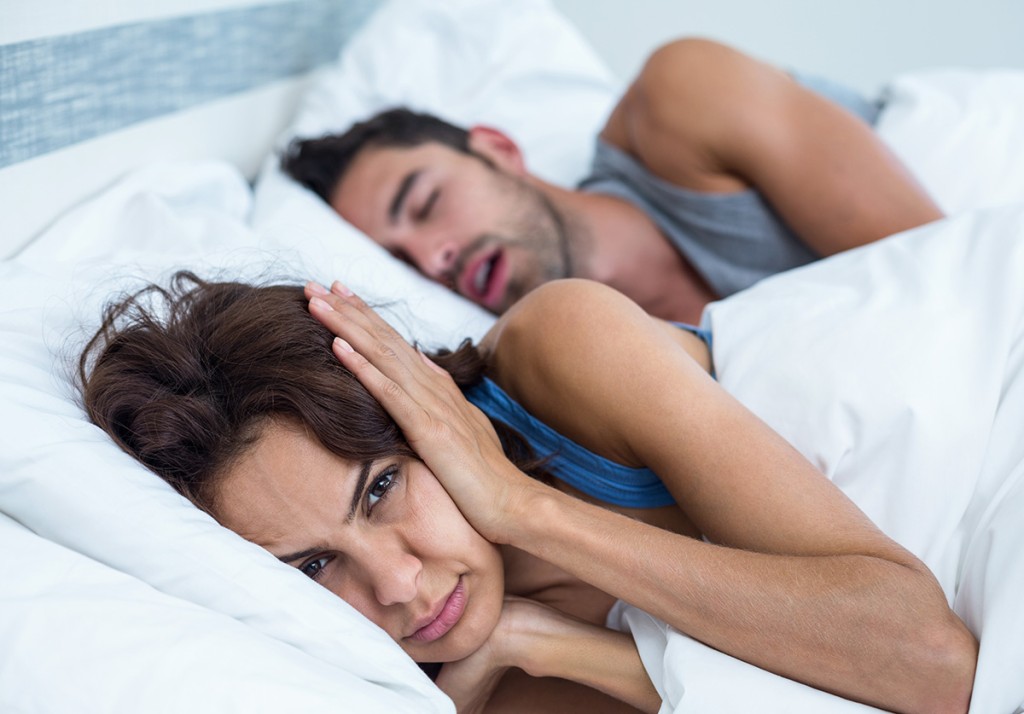
Snoring or Sleep Apnea? When to Seek Testing
Snoring does not automatically mean…